Only 7% of Bolivia’s road network is paved and landscapes like the Salar de Uyuni in the south west are largely untamed by human hand. Julián Istilart explores the so-called Dali desert.
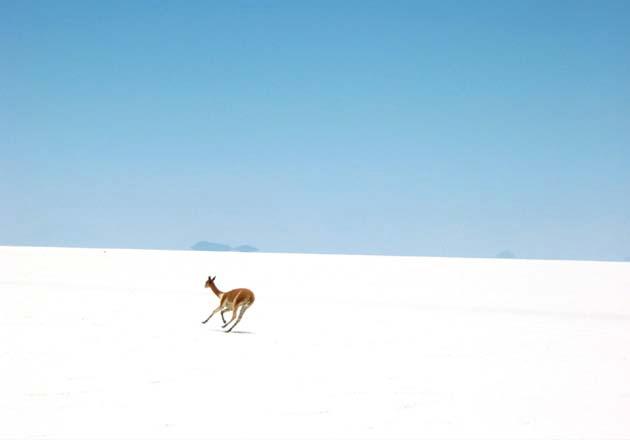
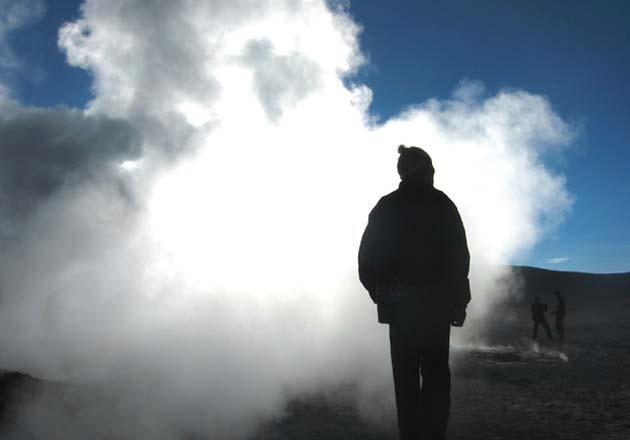
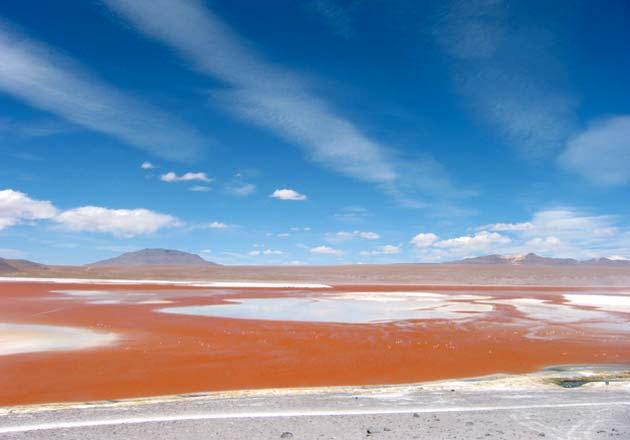
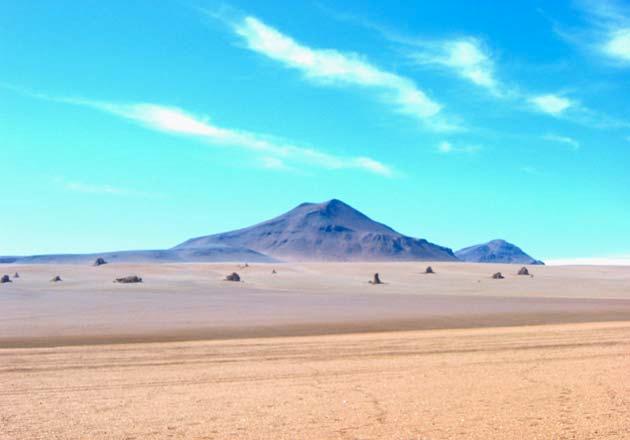
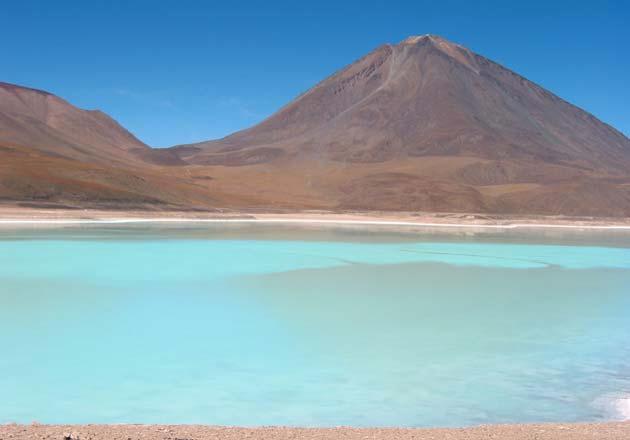
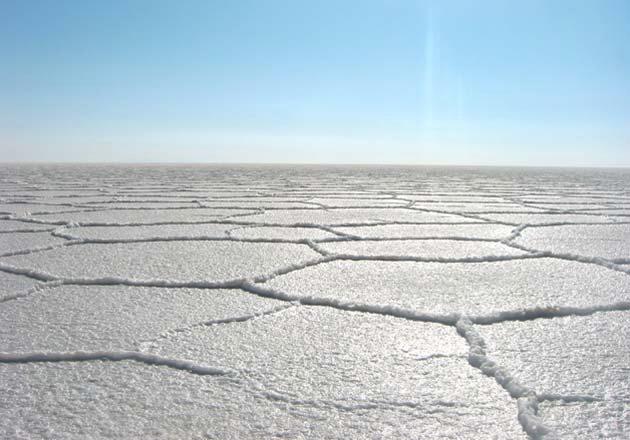
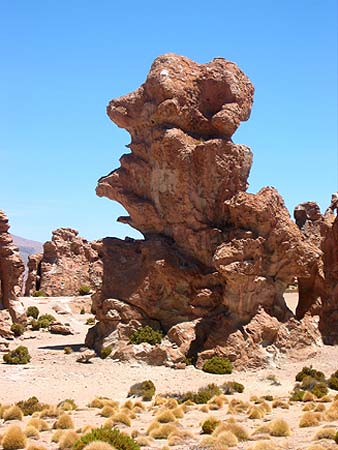
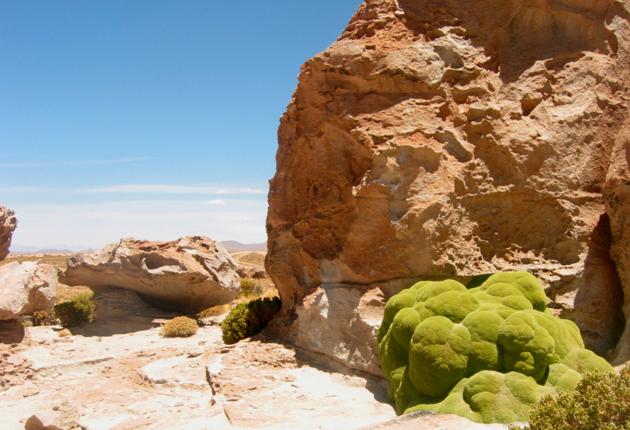
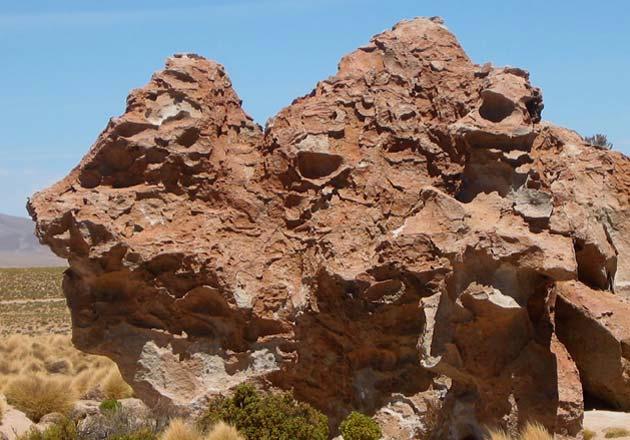
A Vicuña crosses the Bolivian Uyuni salt flats. These graceful animals are well adapted to surviving in this inhospitable but exceptionally beautiful location.Photograph: Julián IstilartSteam rises from the Sol de Mañana geysers in Uyuni, Bolivia. At 15,500ft (4,572m) above sea level breathing is difficult and feeling lightheaded only adds to the other-worldly atmosphere.Photograph: Julián IstilartThe Laguna Colorada owes its redness to the algae on its base. Photograph: Julián IstilartNo wonder they call this the Dali desert. The surreal Mars-like landscapes of the Salar lie on the Bolivian border with Chile. Photograph: Julián IstilartLicancabur’s volcano lake, located on the volcano's crater, is the highest freshwater lake in the world (19,400 ft). On the other side of the mountains lies the Chilean Atacama desert.Photograph: Julián IstilartStand in the middle of the Uyuni salt flat at noon and the blue sky and white salt stretch out uninterrupted as far as the eye can see, like an abstract Rothko canvas. Photograph: Julián IstilartThe desert winds carve impressive rock sculptures that wouldn't look out of place in an art gallery.Photograph: Julián IstilartWhere water is scarce, brilliant green moss brings a vivid touch of colour to the barren Altiplano Andino, a plateau where the Andes are at their widest.Photograph: Julián IstilartRock sculptures characterise this part of the altiplano. Photograph: Julián Istilart